
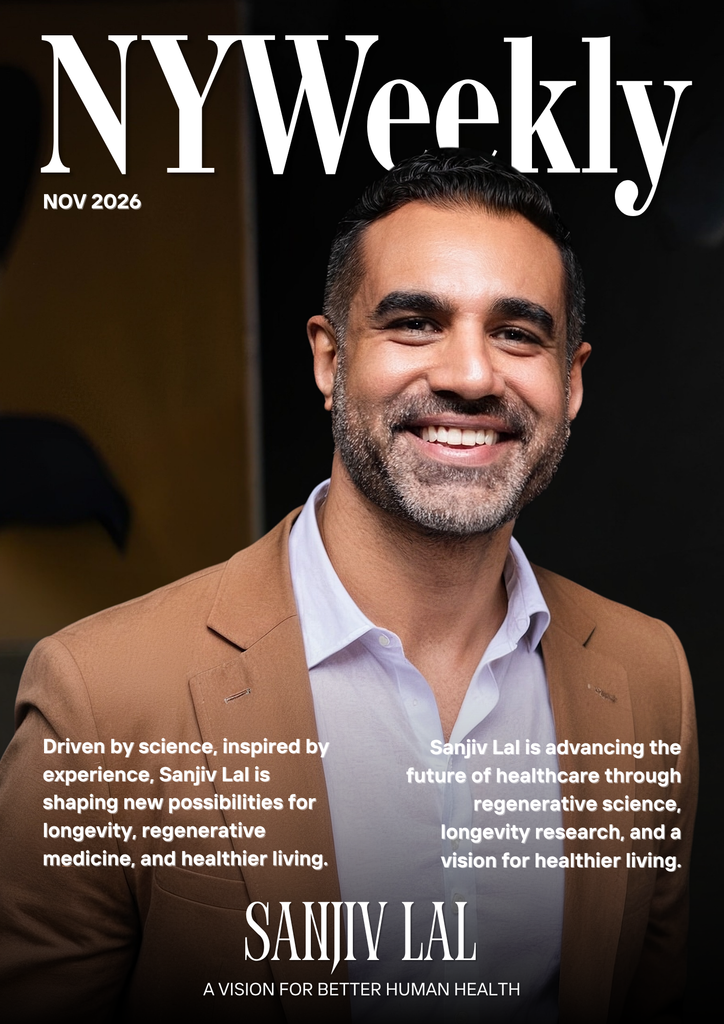
Photo Credit: Courtesy of Regen Therapy
With nearly 24 years in healthcare, the entrepreneur is bringing together biotechnology, cellular signaling, and personalized medicine in pursuit of a more proactive approach to human health.
Healthcare has always been about finding answers, but for Sanjiv Lal, the most important questions emerged when he found himself on the other side of the medical system. After spending decades working across pharmaceuticals, biotechnology, and diagnostics, a serious health experience in 2020 changed how he understood medicine, recovery, and the possibilities of scientific innovation. It also helped define the next chapter of his career.
Lal has spent nearly 24 years building businesses and exploring the intersection of science and entrepreneurship. His professional journey includes experience with pharmaceutical and biotechnology companies such as Eli Lilly and Monogram Biosciences, followed by the founding of three laboratory businesses, two of which he successfully exited. Throughout these experiences, one principle remained consistent: scientific progress matters most when it can translate into something meaningful for people’s lives.
His personal health challenges brought that principle into sharper focus. Rather than viewing healthcare solely through the lens of managing disease, Lal began exploring regenerative medicine, longevity science, and the biological signals involved in cellular communication. His curiosity developed into a broader mission to help advance scientific understanding while addressing the practical challenges that often prevent promising innovations from reaching patients.
Today, through Regen Therapy and related initiatives, Lal is focused on helping build the scientific knowledge, infrastructure, and education needed to support the responsible development of regenerative healthcare.
Beyond Treating Disease
For much of modern medical history, healthcare has concentrated on diagnosing illness, treating symptoms, and managing chronic conditions. These approaches remain essential, but advances in biotechnology and molecular science are creating new opportunities to investigate how the body regulates repair, responds to stress, and changes with age.
Lal is particularly interested in this evolving landscape. His work focuses on secretome science and cellular signaling, an area concerned with the complex network of biological messages cells use to communicate. These signals include proteins, growth factors, cytokines, chemokines, and extracellular vesicles, among other components.
Understanding these interactions may help researchers develop a more detailed picture of the processes involved in tissue function, inflammation, and biological regulation. For Lal, this represents an important area of scientific exploration, one that requires careful research, rigorous characterization, and collaboration between disciplines.
He believes the next chapter of regenerative medicine will depend on understanding not only cells themselves, but also the information they exchange with their surrounding environment. That perspective places considerable importance on the science behind potential treatments, as well as the systems required to evaluate their quality, consistency, and practical application.
However, Lal is equally aware that enthusiasm for emerging technologies can sometimes move faster than the evidence supporting them. The growing popularity of longevity products and regenerative treatments has created a crowded landscape in which scientific discoveries, commercial promises, and online marketing can become difficult to distinguish.
His approach emphasizes the importance of credible evidence, measurable outcomes, and responsible development. In a field attracting increasing attention, he sees scientific discipline as essential to maintaining public confidence.
When Personal Experience Becomes Professional Purpose

Photo Credit: Courtesy of Regen Therapy
Sanjiv Lal and Dr. Sirisha Vadali during a recording of the Cocktails and Cardiology podcast.
Lal’s interest in regenerative medicine was not simply the result of an emerging business opportunity. It grew out of a deeply personal experience.
In 2020, he became seriously ill and experienced significant complications involving his kidney function. For someone who had spent decades working in healthcare, the experience introduced an entirely different perspective. He was no longer evaluating medicine exclusively as an entrepreneur or industry professional. He was navigating the uncertainty that patients face when searching for answers.
That experience encouraged him to examine questions surrounding recovery, resilience, and the biological processes associated with healthy aging. It also strengthened his appreciation for conventional medicine while motivating him to explore what emerging research might contribute in the years ahead.
The distinction matters. Lal’s interest is not rooted in dismissing established healthcare, but in examining where scientific investigation might create additional opportunities. His experience helped him recognize the difference between managing a medical condition and understanding the broader biological questions surrounding long term health.
This shift in perspective became part of the thinking behind Regen Therapy. Rather than treating scientific discovery as the final objective, Lal sees the challenge as building the infrastructure that allows promising research to be investigated, understood, and responsibly translated into practice.
That work involves more than developing products or promoting new technologies. It requires coordination between scientists, physicians, diagnostics providers, manufacturers, and educators. It also requires an honest understanding of what current evidence can establish and what still needs further investigation.
Making Longevity More Accessible
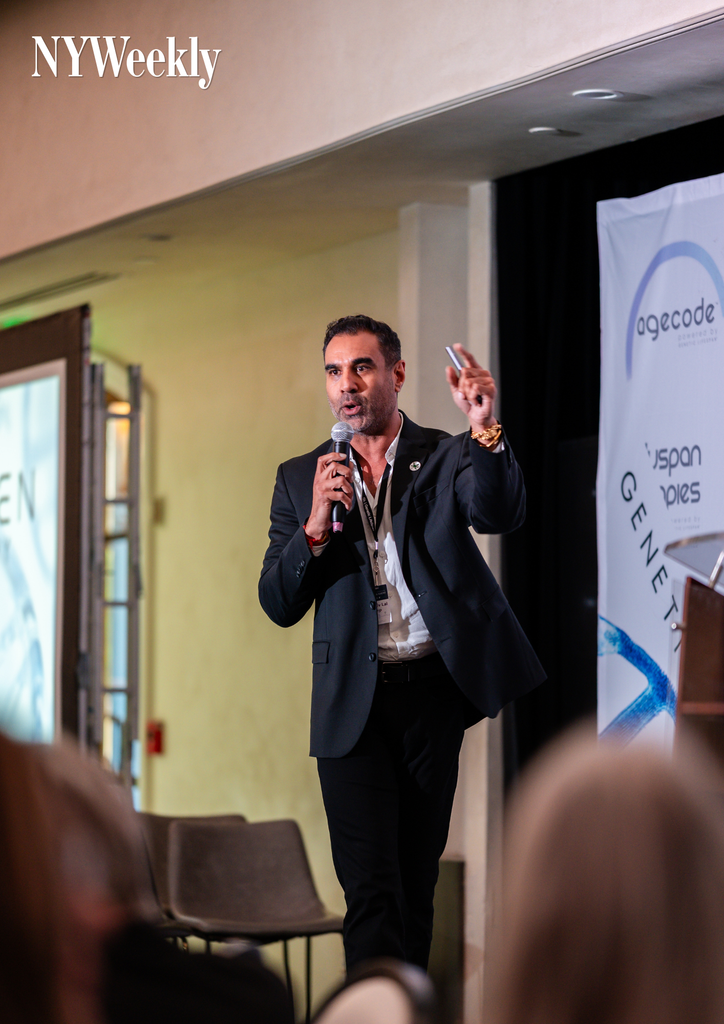
Photo Credit: Genetic LifeSpan
Sanjiv Lal speaking at the Genetic Lifespan premiere event.
Longevity has become one of the most discussed areas in contemporary healthcare, attracting attention from researchers, investors, technology companies, and consumers. People are increasingly interested in understanding their biomarkers, metabolic health, sleep patterns, physical performance, and other indicators that may influence their long term wellbeing.
Yet access to personalized healthcare remains uneven. Advanced testing and specialized consultations can be expensive, while the information available online can leave consumers struggling to distinguish useful guidance from exaggerated claims.
Lal identifies this divide as one of the most important challenges facing the industry. In his view, meaningful progress will require more than scientific breakthroughs. It will require systems that make credible information, appropriate diagnostics, qualified medical guidance, and individualized care easier to access.
His broader vision involves moving away from a healthcare model that responds primarily after problems arise toward one that places greater emphasis on measurement, prevention, and informed intervention. Such a transition would depend on reliable data, ongoing research, and appropriate clinical oversight rather than a single product or universal solution.
He also believes personalized medicine should not remain an exclusive service reserved for people with substantial financial resources. If advances in regenerative science and longevity are to influence healthcare on a wider scale, they must eventually become more practical and accessible.
That ambition informs his work across healthcare businesses and emerging technologies. His background in diagnostics gives him an appreciation for the importance of measurement, while his entrepreneurial experience helps him understand the operational and commercial challenges involved in scaling new approaches.
For Lal, the opportunity lies in bringing these elements together without losing sight of the science.
Building the Next Generation of Healthcare Platforms
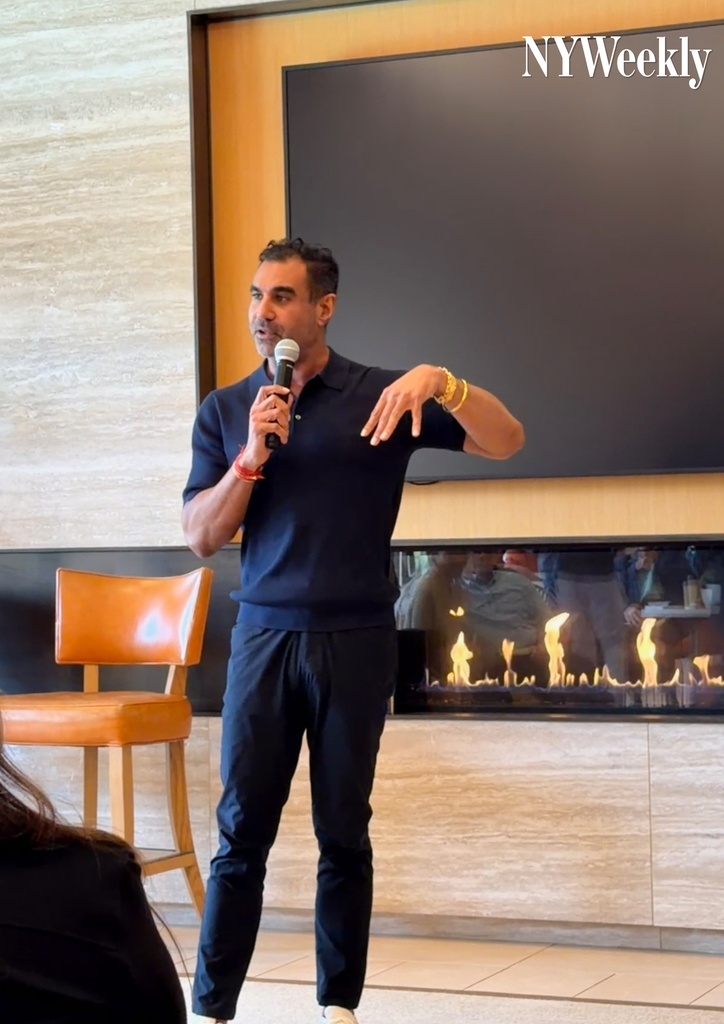
Photo Credit: Courtesy of Regen Therapy
Sanjiv Lal speaking at David Meltzer Mastermind
Alongside his work with Regen Therapy, Lal is developing Gigahealth, a direct to consumer telehealth platform intended to make personalized healthcare and longevity services more accessible.
The initiative reflects a broader change in how people engage with their health. Consumers increasingly monitor their activity, sleep, glucose levels, nutrition, and exercise habits. Many are also asking more detailed questions about metabolic function, aging, and preventive care.
Digital technology offers opportunities to connect these interests with professional guidance and diagnostic information. However, the challenge is ensuring that greater access to health information leads to better understanding rather than confusion.
Lal sees potential in combining qualified medical professionals, diagnostics, personalized care, and technology within a more straightforward healthcare experience. The objective is to make it easier for people to understand their health information and explore appropriate options with professional support.
His interest in platforms also reflects his belief that the future of longevity will not depend on one breakthrough molecule, one intervention, or one company. Progress is more likely to emerge from an ecosystem of scientific research, measurement, clinical expertise, and technology working together.
Developing such an ecosystem requires patience. It involves building relationships across different areas of expertise, establishing appropriate standards, and creating systems that can evolve as scientific understanding improves.
Lal’s career has repeatedly brought him into environments where science and business intersect. His experience building laboratory companies has provided practical lessons in execution, while his current work gives him an opportunity to apply those lessons to an area he considers personally meaningful.
A Different Definition of Success
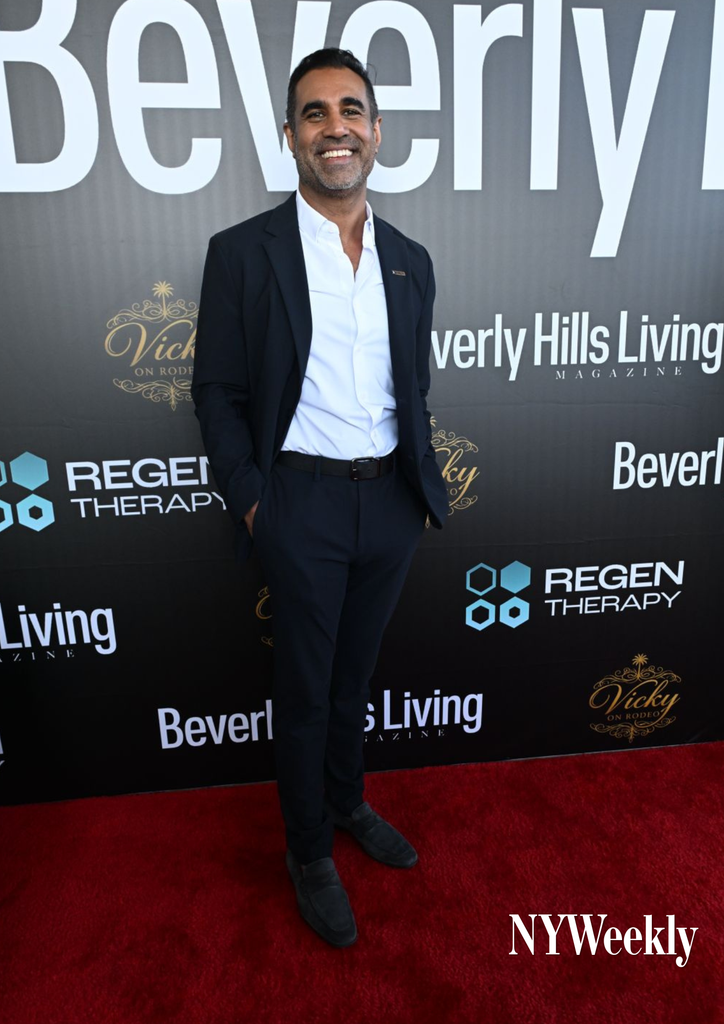
Photo Credit: Joshua Lehnerd
Sanjiv Lal at the Regen Therapy launch event.
Professional achievements have played a significant role in Lal’s career, from founding laboratory businesses to completing successful exits and exploring new investment opportunities. Yet his understanding of success has changed considerably following his health experience.
Business growth and financial performance still matter to him, but they no longer represent the complete picture. Health, meaningful relationships, independence, and the ability to remain curious and active have become equally important measures of a life well lived.
This perspective also shapes his interest in healthspan, the period of life spent in good health, rather than focusing exclusively on lifespan. The distinction raises an important question about the future of medicine: how can people preserve their ability to think clearly, remain physically active, maintain independence, and participate fully in the lives they have built?
For Lal, the goal is not simply to add years to life, but to improve the quality of those years. He envisions a future in which scientific progress, better diagnostics, and personalized healthcare may help people make more informed decisions about their wellbeing.
He remains optimistic about the possibilities emerging from biotechnology, artificial intelligence, regenerative science, and longevity research. At the same time, he recognizes that genuine progress depends on asking difficult questions, evaluating evidence, and resisting the temptation to promise more than science can currently deliver.
Turning Scientific Potential Into Meaningful Progress
Looking ahead, Lal sees considerable opportunity in the convergence of biology, diagnostics, technology, and personalized medicine. He is particularly interested in approaches that can help identify changes earlier, improve understanding of individual health, and support more informed decisions over time.
His ambitions extend beyond any single company or product. Through Regen Therapy, Gigahealth, and his wider involvement in healthcare entrepreneurship, he wants to contribute to the systems that could help move promising scientific ideas toward practical application.
The challenge is significant. Regenerative medicine remains a developing field, and many emerging approaches require further research, careful evaluation, and appropriate clinical evidence. Making progress responsibly will depend on collaboration, transparency, and a willingness to distinguish established findings from possibilities that remain under investigation.
Lal’s experience has given him a perspective shaped by both sides of healthcare: the professional who understands the complexity of building medical businesses and the patient who has experienced the uncertainty of searching for answers.
That combination continues to influence the questions he asks and the projects he chooses to pursue.
Ultimately, his mission is straightforward. He wants to help make credible regenerative science more understandable, accessible, and capable of creating meaningful benefits for human health. For Lal, discovery is only the beginning. The real work lies in building what allows good science to make a difference.
